Leak Detection and Repair
Leak detection in Homestead that finds the hidden leak first
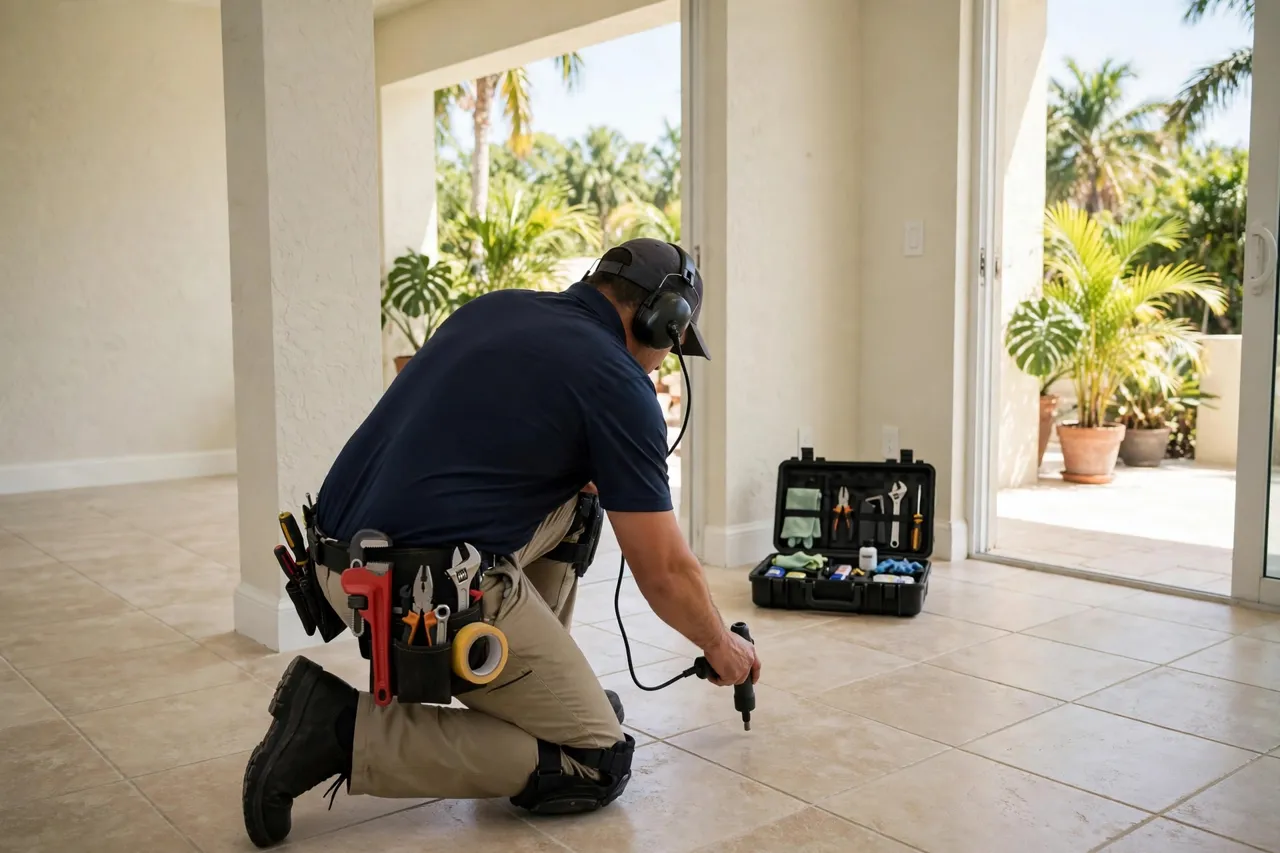
When you need leak detection in Homestead, FL, the leak is usually one you cannot see: under a slab, inside a wall or along a yard line. MW Plumbing uses listening and pressure checks to pinpoint slab leak detection in Homestead's slab-on-grade homes before any floor or wall is opened. Call (786) 523-6480 — open 24 hours every day.
Service overview
Leak detection in Homestead: what it involves
Leak detection in Homestead is the location of a hidden water loss using listening, pressure and thermal checks, followed by repair of the failed section. Because most Homestead homes are slab-on-grade, supply lines run through or under concrete, and a leak often announces itself indirectly: a rising bill, a warm spot on tile, the sound of running water with every fixture off, or dampness at a wall base. MW Plumbing pinpoints the loss first, so only the damaged section is opened.
Two local patterns drive hidden leaks. Hard Biscayne Aquifer water scales and corrodes older pipe from the inside, and a high water table presses on underground lines in wet weather. A home's era is also worth checking: pre-1975 cast-iron drains and 1978–1995 polybutylene supply lines are check-your-home's-era angles, never a diagnosis of any particular home. You get a quote before work starts, after the leak is located.
Practical benefits
Why fix leaks before they spread
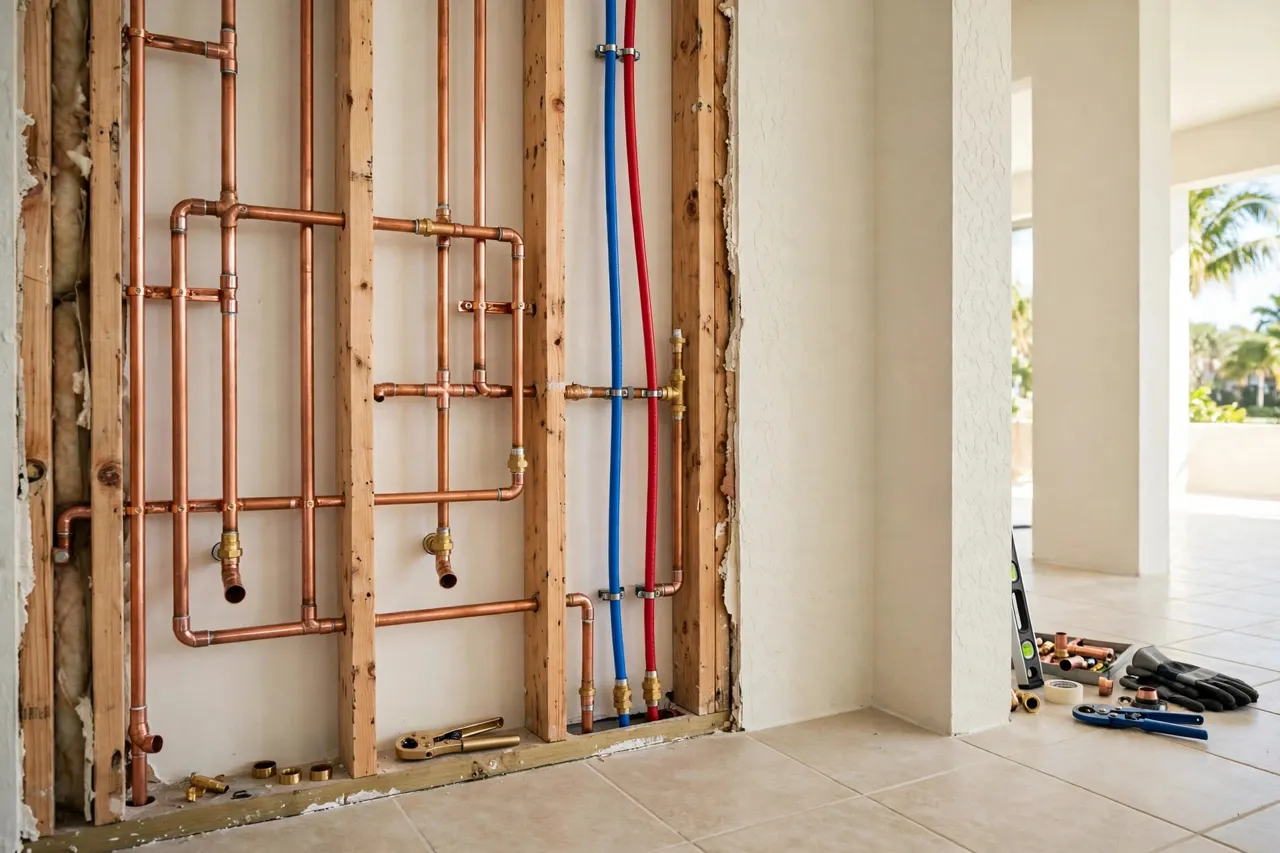
A hidden leak does not stay hidden. It saturates concrete, feeds mold, lifts flooring and raises the water bill month after month. Here is what early detection changes.
Open only what has to be opened
Listening and pressure checks pinpoint the loss to a small area, so a slab leak repair opens one section of floor rather than a whole room on a guess.
Stop the bill from climbing
A steady hidden leak adds up on every billing cycle. Finding it early stops the waste at its source, rather than paying for water that never reached a tap.
Protect floors, walls and framing
Water under a slab or inside a wall damages finishes and framing silently. Early repair limits the affected area, which limits the restoration that follows.
A quote before work starts
You get a quote before work starts, after the leak is located and the repair scope is known. The location work and the repair are explained as separate steps.
How service works
Our leak detection and repair process
From the first call to the pressure test, here is what happens when you book leak detection with MW Plumbing in Homestead.
STEP 01
Phone triage
You call (786) 523-6480 and describe the sign: a rising bill, a warm spot, running-water sounds with fixtures off, or dampness at a wall base. We ask which fixtures are affected and whether the home is slab-on-grade, since that shapes where the leak is looked for.
Tools and methods
Tools and methods we use
Acoustic listening disc
Listens for the sound of water escaping a pressurized line, narrowing a hidden leak to a small area before any surface is opened.
Thermal imaging camera
Shows temperature differences in floors and walls, so a hot-water slab leak appears as a warm patch rather than a guess about where to open.
Video camera inspection system
Scopes drain and sewer lines where a leak symptom may involve a drain rather than a supply line, separating the two causes.
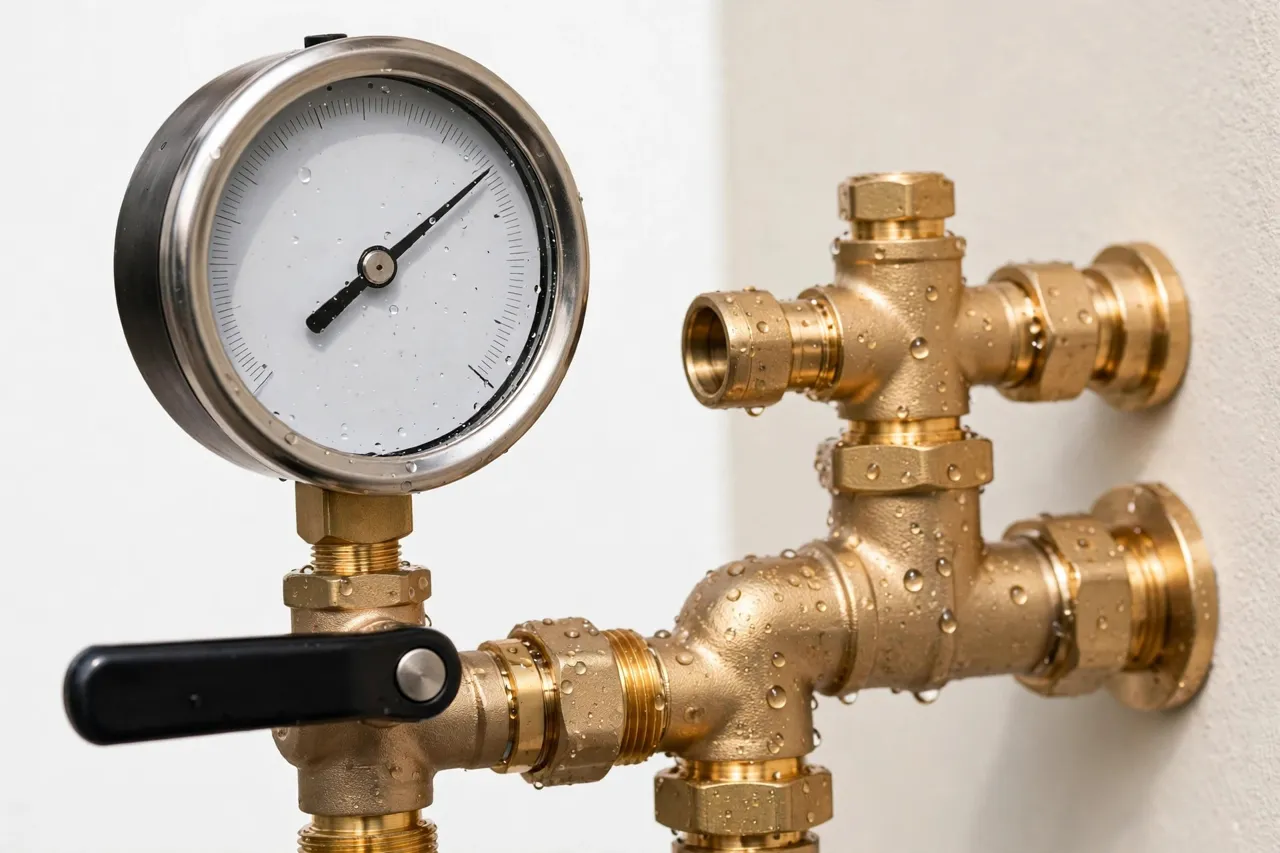
Calibrated pressure gauge
Measures pressure loss across isolated zones, confirming a leak exists and which zone it sits in before listening equipment is deployed.
Press tool
Makes clean, consistent joints on repair sections, used where the home's system and the repair material suit that method.
PEX crimping tool
Makes secure crimp connections on PEX repair sections, with every crimp checked before the line is closed up.
Soldering torch
Used for copper repair sections, joining copper to copper where the home's existing system is copper.
Zone isolation
Shutting off sections of the system one at a time to narrow a leak to a single zone, before any listening or opening begins.
Acoustic correlation
Comparing sound readings from two points to triangulate a leak's position along a run, rather than opening the line at intervals.
Thermal mapping
Mapping warm and cool areas across a floor to trace a hot-water leak's path under the slab, so the opening targets the leak itself.
Pressure hold test
Holding an isolated line at pressure to confirm the repair holds, before floors or walls are closed up.
Florida Building Code–Plumbing, 8th Edition (2023)
The code edition in force in Florida, used as the reference for leak repairs and replacements.
Where this service fits
When to call for leak detection
You get a utility bill well above normal with no change in use.
A bill that jumps without a change in household use usually means a hidden leak. We isolate zones, listen and pressure-test to find it, then repair the failed section and verify the fix with a pressure hold test.
You hear water running at night when every fixture is off.
Running-water sound with no fixture on is a classic hidden-leak sign. We isolate the system zone by zone to find which run is losing water, before opening anything.
You are buying a home in Homestead and the inspector flagged dampness.
Dampness at a wall base or a warm floor patch deserves a leak check before closing. We locate the loss and report the repair scope, so a buyer knows what the dampness means rather than guessing.
Your water heater is dripping and you cannot tell if the tank is at fault.
A drip at a heater may come from a fitting, a relief valve discharge or the tank body itself, and each means a different repair. We trace the drip to its source before recommending a repair or a replacement.
A tenant reports a hot spot on the bathroom floor.
A hot spot on tile usually means a hot-water line leaking under the slab. Thermal mapping traces the warm path, acoustic checks pinpoint the leak, and only the affected section of floor is opened.
Local execution
How leak detection runs in Homestead
Homestead's slab-on-grade homes, hard water and high water table make hidden leaks a local speciality. The leak is usually found by sound, pressure and temperature, not by sight, and the repair follows the location, not the symptom alone.
Keys Gate
Townhome and condo sections where shared walls and shared stacks complicate a leak: the damp patch may sit in one unit while the failed line sits in another. Zone isolation settles which unit's system is losing water before any opening.
Redland
Larger lots and long yard runs, where a leak may sit far from the house in a supply line to an outbuilding or a long lateral. Listening checks along the run narrow it before digging. Many properties here use wells and septic as a general pattern, but sewer or septic varies by street — tell us what your home has when you call.
Historic Downtown Homestead
The oldest surviving core mixes plumbing from several eras in one wall, especially after Hurricane Andrew on 24 August 1992. A leak here is traced to the actual run that failed, not to the building's age.
Waterstone
A 2004–2007 master community now reaching the age where original fixtures, valves and heaters come due. Leaks here more often involve a failed fitting or valve than an era-material failure, and the checks reflect that.
Leisure City
Mid-to-late-20th-century homes plus newer infill, where original-condition systems and renovated ones sit on the same street. The home's own history decides whether an era-material check is relevant.
Limestone and sandy soil movement
Shifting soil stresses underground lines and opens joints over time. A leak that follows heavy rain deserves a soil-movement check alongside the pipe check, since the two interact.
High water table in low-lying areas
A high water table presses on underground lines and can mask a leak's surface signs, since the ground is already wet. Pressure and listening checks, not dampness alone, locate the loss.
Hard water from the local supply
Hard Biscayne Aquifer water scales heaters and corrodes older pipe from the inside, thinning walls until pinholes form. No single hardness figure is quoted for Homestead water, since published figures conflict by source.
Post-storm ground saturation
Saturated ground after heavy rain stresses lines and can push water into damaged sections. Hurricane season runs 1 June to 30 November, so a post-storm leak check is sensible follow-up, never a sales push during a live storm.
Problems we solve
Hidden leak problems we solve in Homestead
Hidden leaks announce themselves indirectly. Here are the signs we hear most, and how each one is traced to its source.
Rising water bill with no change in use
We isolate zones and pressure-test each one, narrowing the loss to a single run before listening equipment pinpoints the leak itself.
Warm spot on a tile or wood floor
Thermal mapping traces the warm path of a hot-water slab leak, and acoustic checks pinpoint it, so only the affected floor section is opened.
Sound of running water with fixtures off
We isolate the system zone by zone until the sound's source run is found, then listen along that run to the leak's exact point.
Dampness at a wall base with no visible source
Dampness may come from a supply leak, a drain leak or condensation. Listening, pressure and camera checks separate the three before any wall is opened.
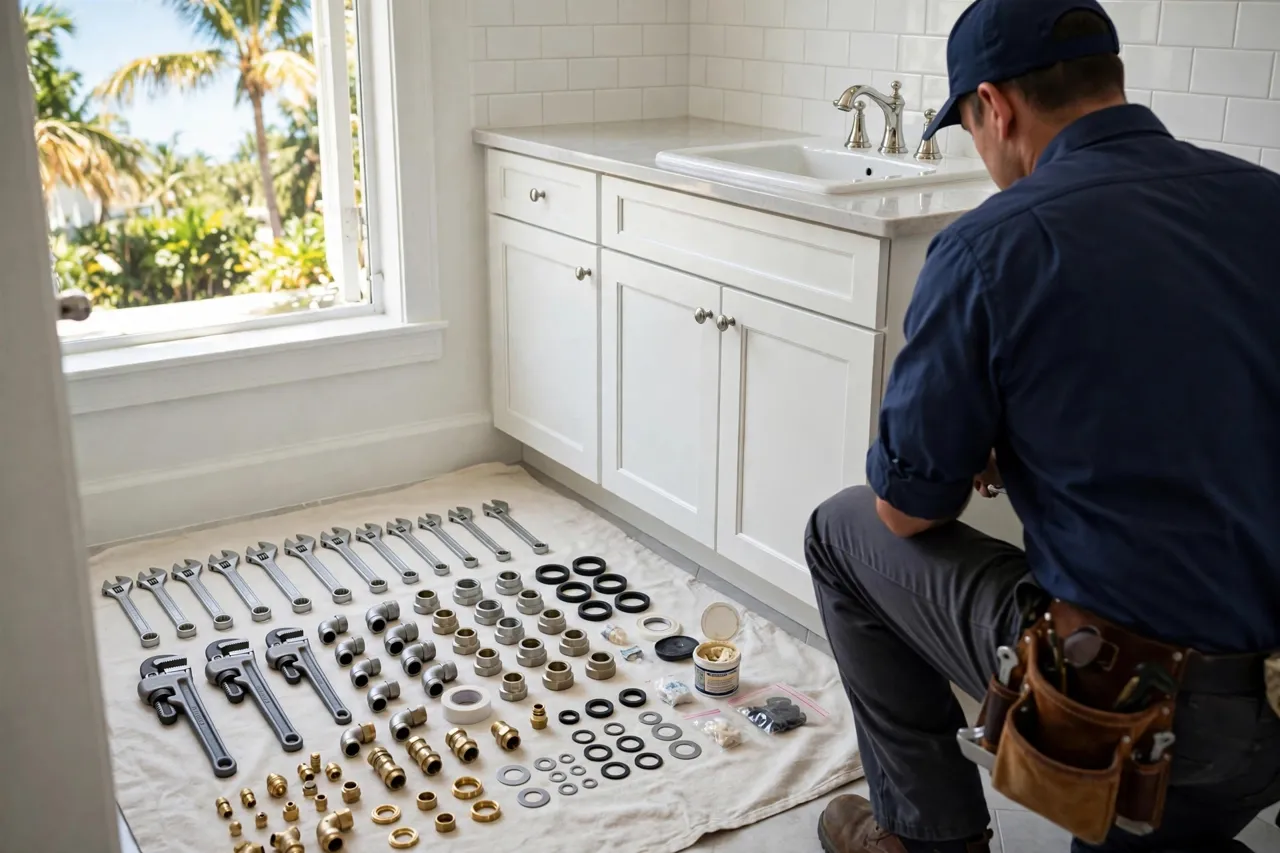
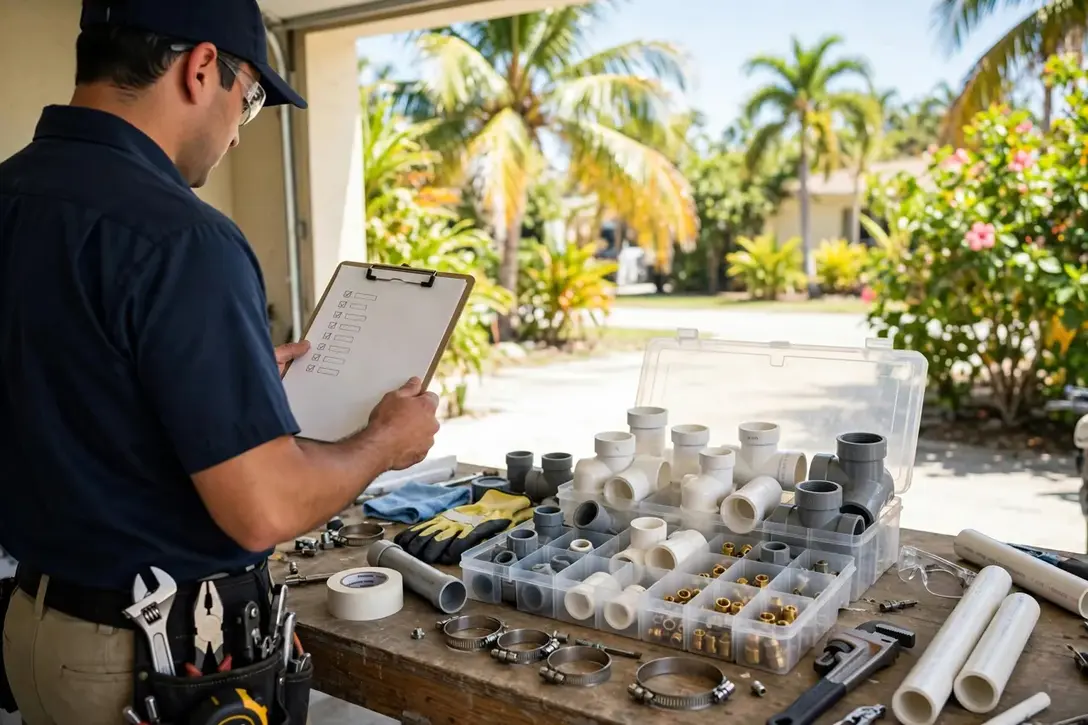
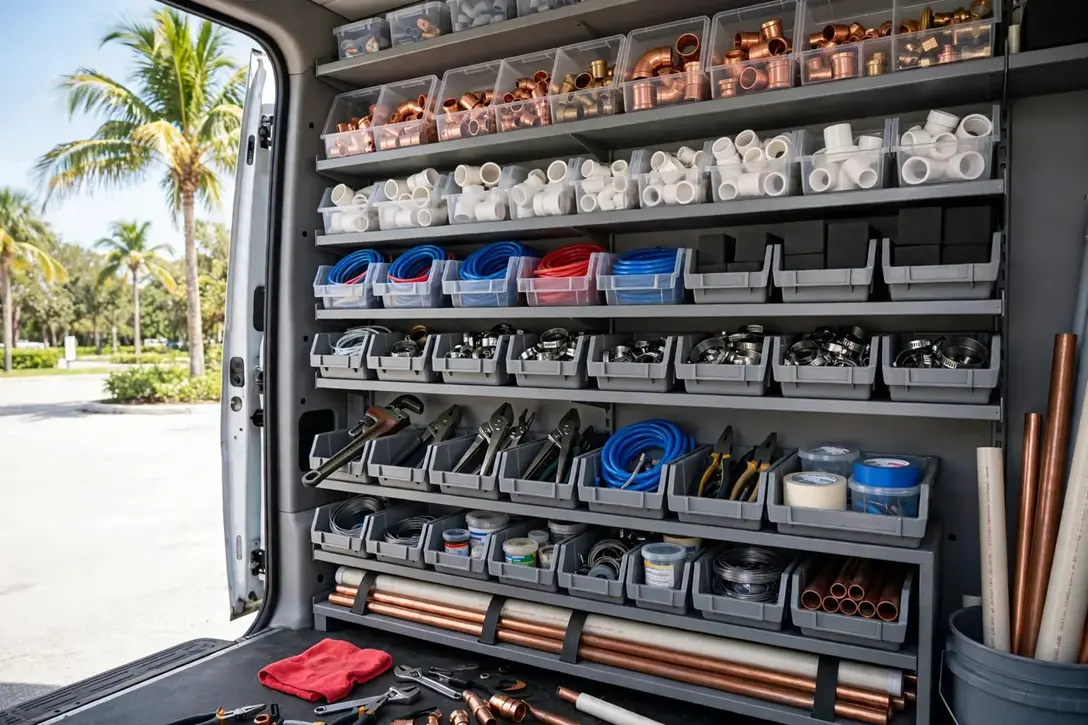
A practical standard for every visit: explain the problem, quote the work, then check it.
Clear planningPrepared arrivalsCareful workLocal follow-through
Experience in the details
Local leak detection experience
MW Plumbing is a Homestead plumber owned by Mike Walker, based at 13364 SW 281st Ter, Homestead, FL 33033, and open 24 hours every day. The team serves Homestead and South Dade, with a Google rating of 5.0 out of 5 stars from 21 reviews. Work is planned to the Florida Building Code–Plumbing, 8th Edition (2023).
- Homestead-based team serving Homestead and South Dade
- Open 24 hours every day, including weekends and holidays
- Listening, pressure and thermal checks for hidden leaks, not guesswork
- Work planned to the Florida Building Code–Plumbing, 8th Edition (2023)
- A quote before work starts, with the repair explained in plain terms
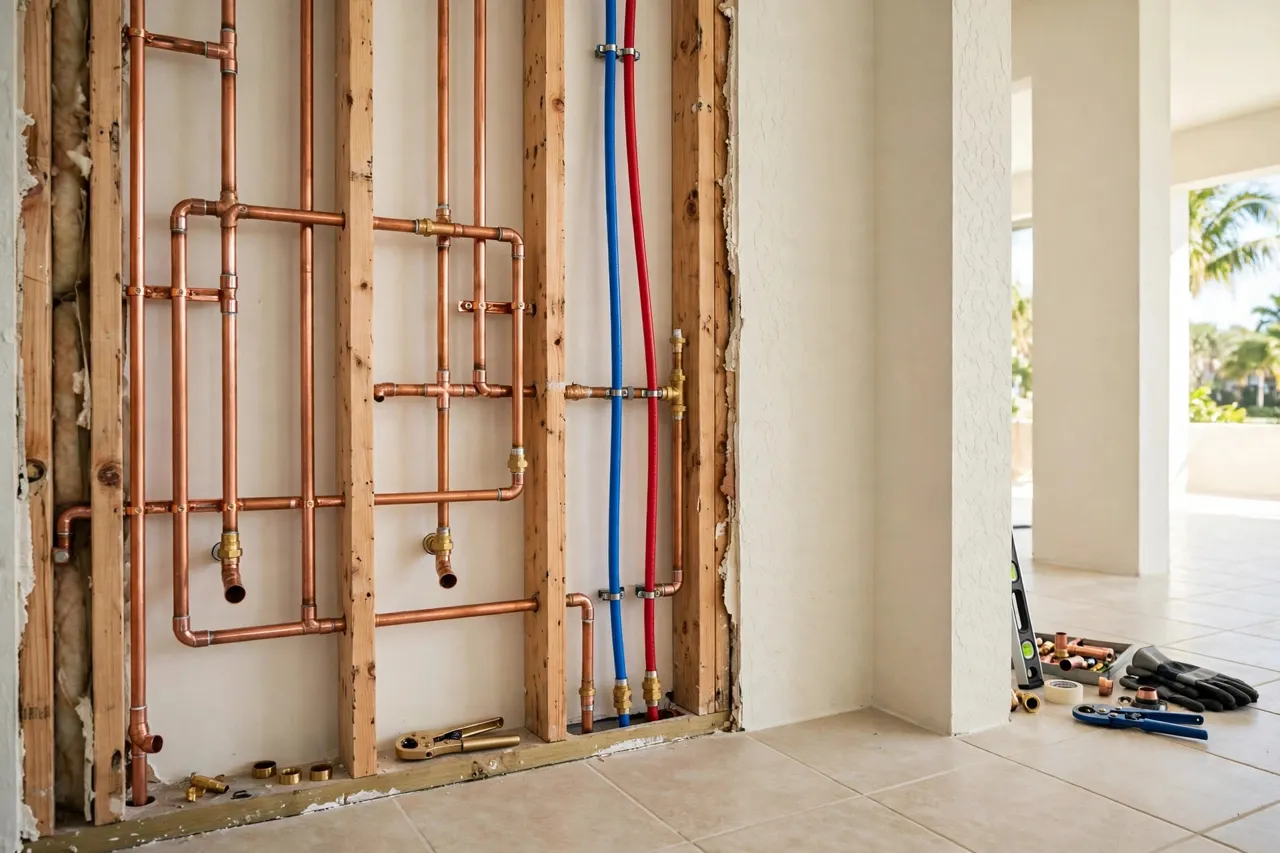
Where we work
One local team. A lot of ground covered.
Notes from local customers
What Homestead homeowners say about MW Plumbing
5.0 out of 5 stars — 21 Google reviews. Customers mention bathroom remodels, water heater and faucet work, and punctual, communicative service at fair prices. Only 5 of the 21 reviews were readable in full without signing in; the rest are counted in the Google aggregate only.
Customers mention bathroom remodels, water heater and faucet work, and punctual, communicative service at fair prices.
Only 5 of the 21 reviews were readable in full without signing in; the rest are counted in the Google aggregate only.
No prices are published on this site, because the cost depends on the leak's location, access and the repair it needs. You get a quote before work starts, after the leak is located.
Start by checking the signs: a rising bill, a warm floor spot, running-water sounds with fixtures off, or dampness at a wall base. Then call MW Plumbing at (786) 523-6480. We isolate zones, listen and pressure-test to pinpoint the leak before opening anything.
Yes. MW Plumbing serves Homestead and South Dade, including Historic Downtown Homestead, Redland, Leisure City, Naranja, Princeton, Goulds, Keys Gate, Waterstone and Oasis, and is open 24 hours every day.
A rising bill with no change in use, a warm spot on tile, the sound of running water with every fixture off, dampness at a wall base, or mold growth near a floor or wall. In slab-on-grade homes the leak often sits under concrete, so sound and pressure checks, not sight, locate it.
Keep exploring
Other plumbing services we handle
Your next step is waiting
Need leak detection in Homestead today?
Call MW Plumbing at (786) 523-6480. Tell us the sign you have noticed, and we will explain the detection plan before any floor or wall is opened.
Start with the basics
Contact MW Plumbing
Call (786) 523-6480 any time, day or night. MW Plumbing is open 24 hours every day, and regular service calls are scheduled around that cover. Tell us the sign you have noticed and we will explain the next step before any work starts.